

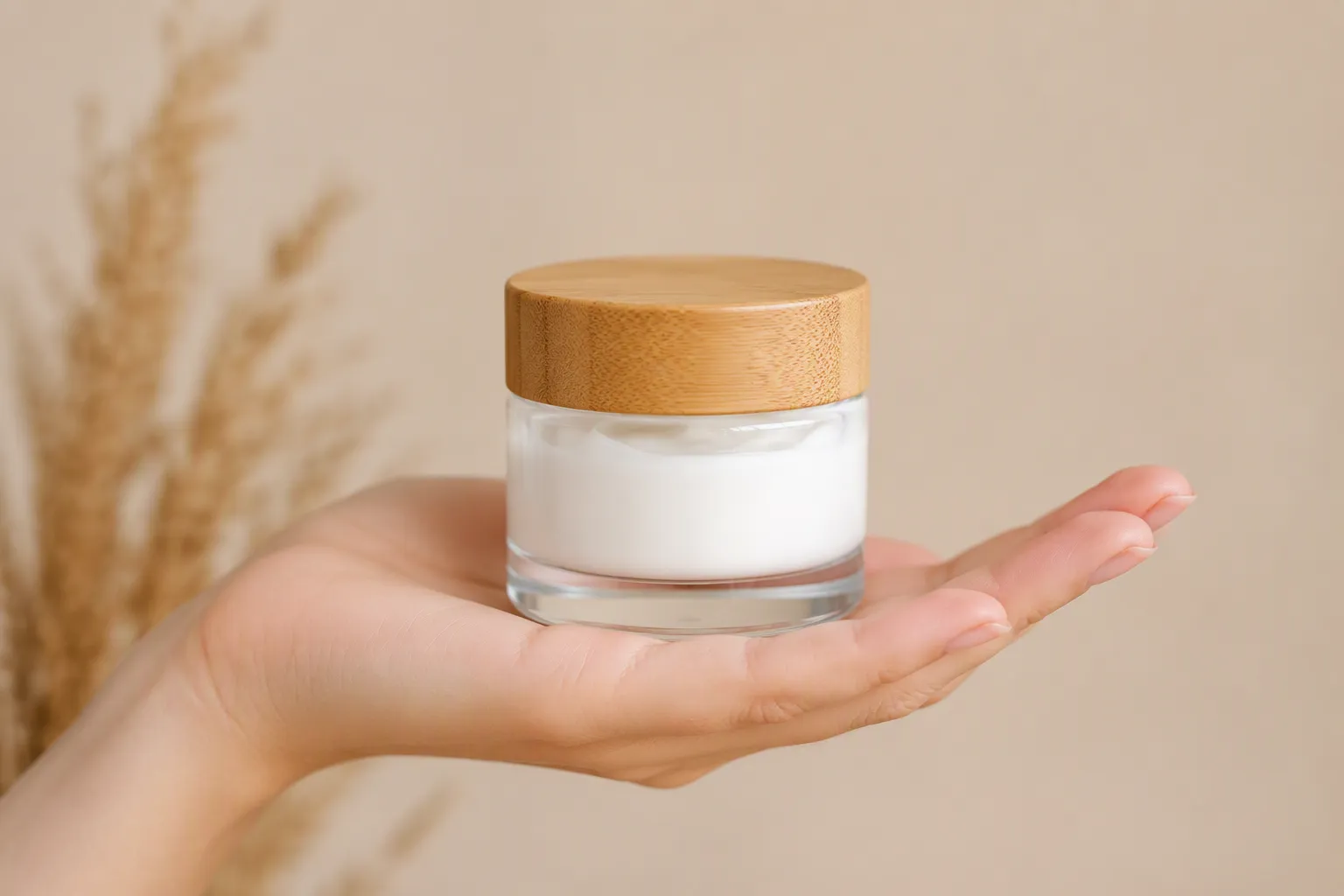
Bamboo lid glass jars are the dominant choice in 2026. This dominance stems from converging sustainability demands, premium aesthetics, and functional superiority. The global glass cosmetics packaging market is projected to reach USD 8.31 billion in 2026. This growth underscores the shift toward eco-friendly, luxury-feel solutions. Consumers now prioritize sustainable materials for their daily use. Bamboo jar combines renewable resource with recyclable components and is ideal for creams, lotions, and balms, offering eco benefits. This aligns with beauty packaging trends. Brands turn to this hybrid for its durability and natural look. The three pillars—environmental, aesthetic, and functional—make this choice inevitable for brands.
Key Takeaways
- Bamboo lid glass jars combine renewable bamboo with recyclable glass, reducing environmental impact.
- These jars offer an airtight seal that keeps cosmetics fresh and extends shelf life.
- The natural look of bamboo and glass appeals to eco-conscious consumers and supports premium branding.
- Refillable designs cut costs and waste, making them a smart choice for brands.
- Choosing bamboo jars helps brands meet regulations and build customer loyalty.
Sustainability of Bamboo Jar Packaging
Renewable Bamboo and Recyclable Glass
RB PACKAGE’s Bamboo Jar demonstrates sustainability in modern cosmetics packaging. The jar combines natural bamboo lids with glass bodies. Bamboo contains a substance called bamboo kun. This antimicrobial agent actively inhibits bacteria and mold growth. The material keeps products fresh and hygienic. It helps maintain hygiene for cosmetics. The sturdy bamboo cap ensures a snug fit and good sealing. It preserves fragrance and quality during storage. This plant grows rapidly and regenerates after harvest. It is a highly renewable resource. It is fully recyclable without losing quality. These materials support a circular economy. RB PACKAGE offers sizes from 10g to 200g. This range serves different products, from lip balm to body butter. Brands can choose from clear, frosted, amber, or matte black finishes. This variety allows businesses to match their brand identity. The global glass packaging market reaches $8.31 billion in 2026. This demand reflects the shift toward greener solutions.
Lower Carbon Footprint
It absorbs significant CO₂ during growth. It traps more carbon per hectare than many tree species. This absorption offsets processing emissions. Its manufacturing consumes significantly less energy than glass production. It requires energy-intensive furnaces. However, the material is 100% recyclable without quality loss. Plastic comes from non-renewable fossil fuels. It has a high carbon footprint and does not decompose naturally. The material is biodegradable and breaks down into organic matter. It does not release microplastics. Plastic takes centuries to decompose. The combination of lids and jars reduces packaging waste. This hybrid solution offers a lower eco-impact. Brands that choose this sustainable packaging meet consumer demand for eco-friendly materials. Biodegradable cosmetic packaging appeals to eco-conscious buyers. Sustainability guides every material choice. Brands reduce their environmental footprint. Sustainable materials become a core value for brands. Eco-friendly materials also reduce long-term costs. Its manufacturing uses less energy, which lowers the overall carbon footprint. Consumers actively seek products with responsible packaging.
Aesthetic Appeal in Beauty Packaging Trends
Natural Materials in Beauty Trends
Beauty packaging trends in 2026 embrace purposeful restraint. Clean forms, considered materials, and limited color palettes define the visual direction. Consumers seek authenticity in every detail. Bamboo lid glass jars align perfectly with this aesthetic movement. The combination of glass and natural bamboo creates a look that feels luxurious and grounded.
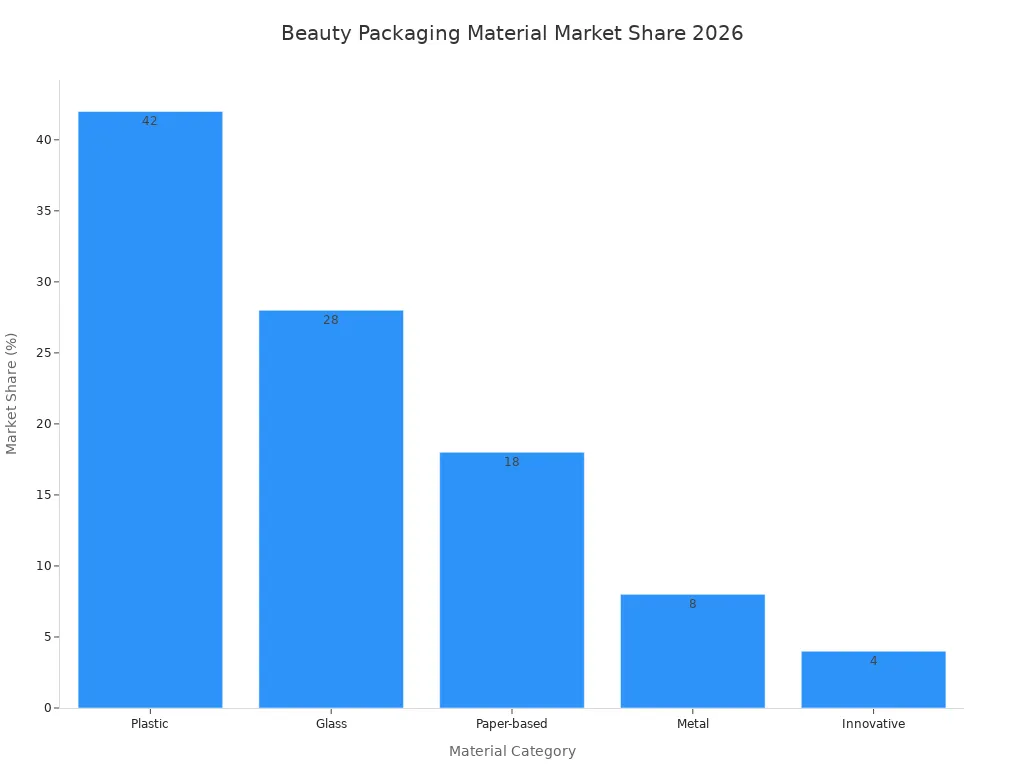
| Material Category | Market Share (2026) | Key Insight |
|---|---|---|
| Plastic | 42% | Still dominant due to affordability, but facing pressure |
| Glass | 28% | Preferred for premium skincare and fragrance |
| Paper-based | 18% | Doubled presence since 2020, driven by sustainability |
| Metal | 8% | Used in aerosol containers and luxury compacts |
| Innovative (bamboo, seaweed polymers, recycled ocean plastics) | 4% | Emerging niche materials |
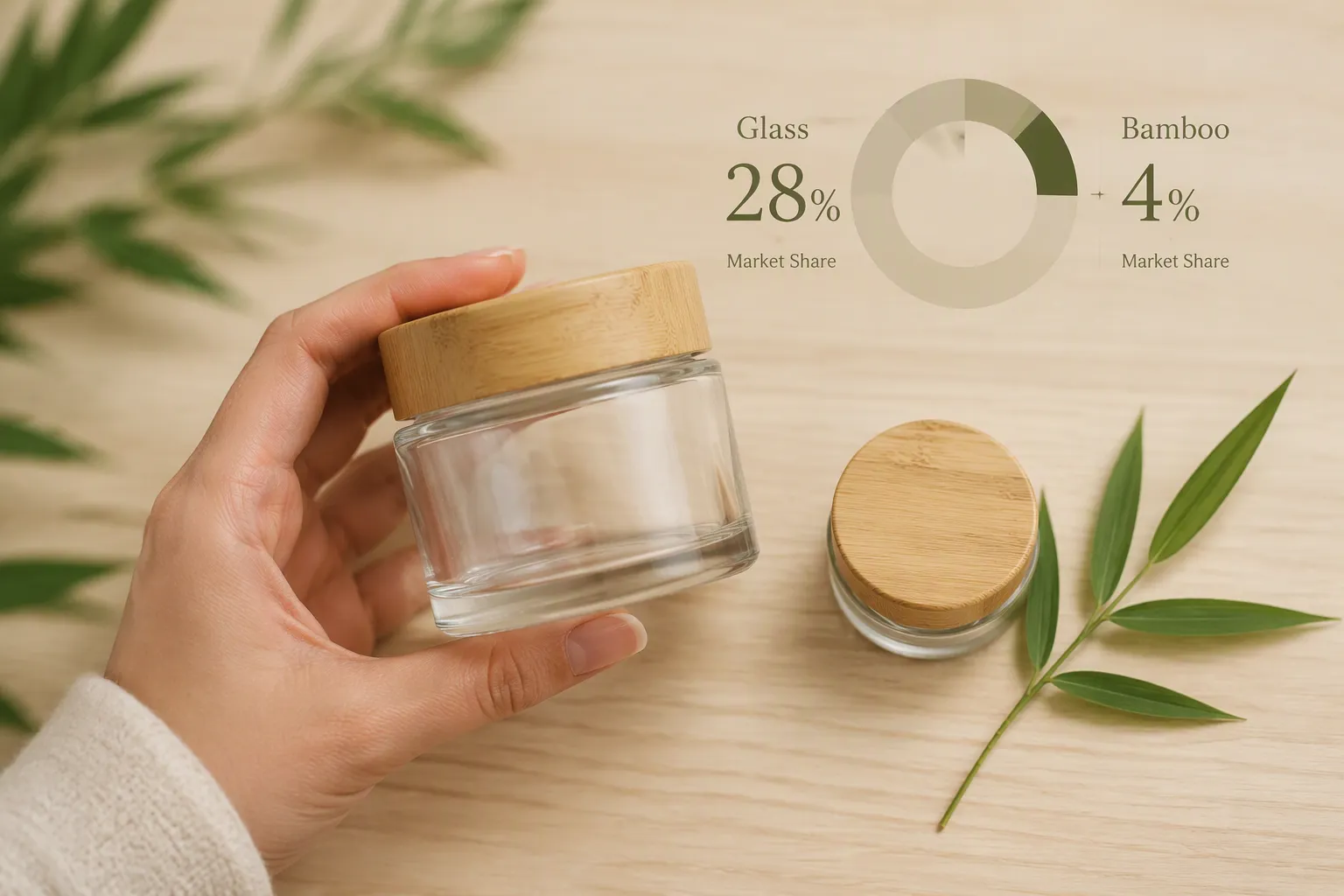
Glass holds 28% of the packaging market in 2026. This material remains the top choice for premium skincare and fragrance. Bamboo as an innovative material occupies the emerging niche at 4%. Together they create a packaging design that speaks to modern values. The natural bamboo lid adds warmth and texture. The glass body conveys clarity and freshness. This pairing satisfies both the aesthetic and eco needs of contemporary consumers.
RB PACKAGE offers finishes in clear, frosted, amber, and matte black. These options allow brands to match their identity while staying within the clean aesthetic. Glass conveys freshness and luxury. Natural bamboo adds warmth and an eco-friendly message. The combination supports the 2026 trends toward eco-friendly materials that do not sacrifice beauty.
Wild Body Wash 2.0 uses Shellworks’ Vivomer, a natural polymer that is waterproof and stable during use, yet biodegrades completely in home compost or marine environments—without leaving microplastics behind. The system pairs a sleek, reusable case with compostable refills, eliminating fossil-based packaging while maintaining durability.
This example demonstrates how natural materials and clean forms work together in 2026 packaging design. Bamboo lid glass jars follow the same principle. They offer a premium look without complex decoration. The design itself communicates the brand values.
Customization Options
Brands need differentiation in a crowded market. RB PACKAGE provides customization options that help achieve this goal. Laser engraving works for logos and patterns. Printing and painting on bamboo surfaces allow full-color branding. Combining bamboo with glass or metal inserts creates structural uniqueness. Bespoke design services enable custom shapes and unique silhouettes.
Personalized beauty packaging builds emotional connections with consumers. Custom engraving suits limited editions and seasonal launches. These special designs encourage social sharing and strengthen brand loyalty. The customization process respects the natural materials. Earthy tones and minimalist aesthetics remain the foundation. Brands add their identity through thoughtful details. This approach keeps the packaging design clean while making it distinct. The result feels personal and premium. Consumers notice the investment in quality packaging design.
Functional Benefits for Cosmetics
Airtight Seal for Cosmetics
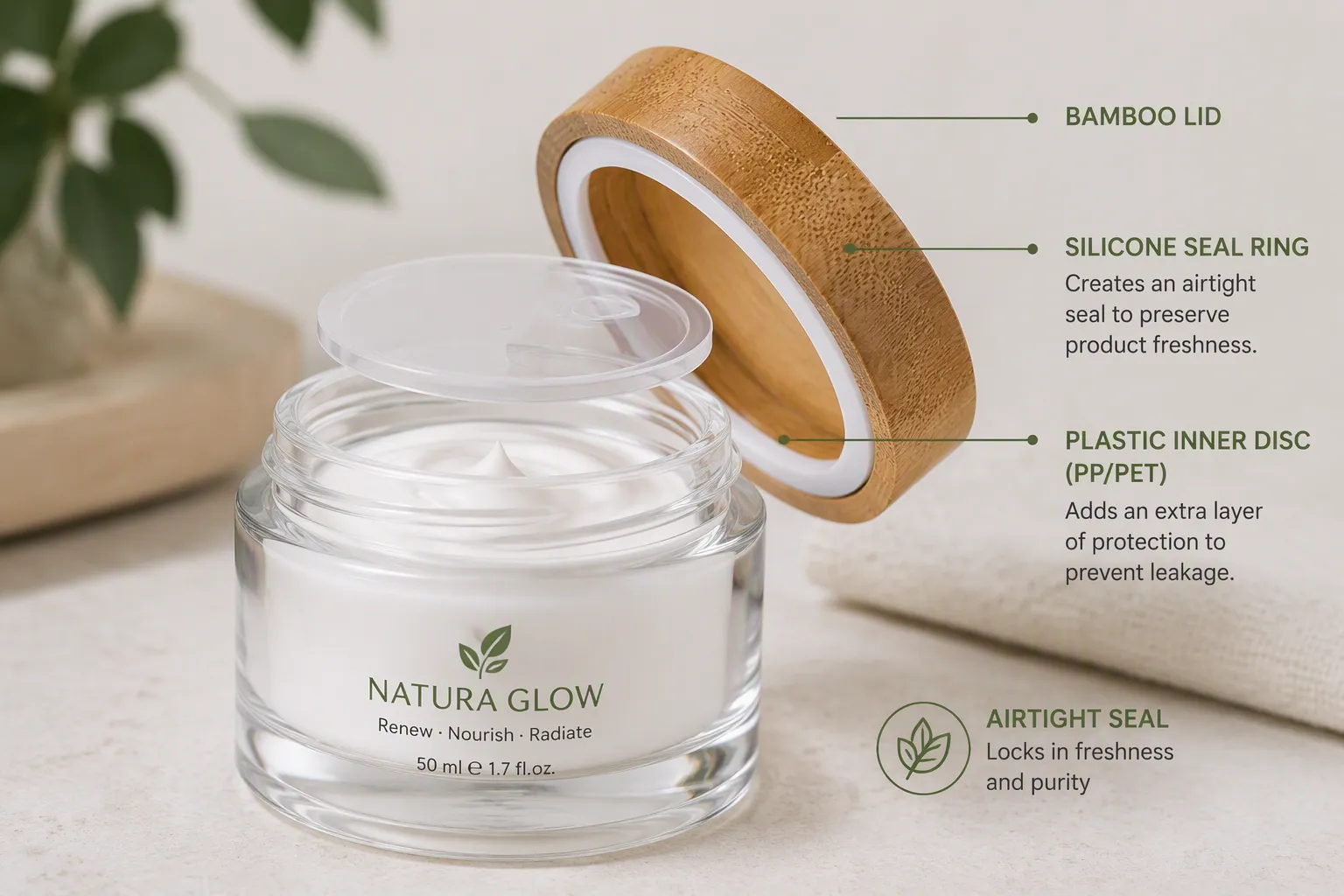
The bamboo lid on RB PACKAGE’s jars creates a reliable barrier against air and contaminants. This seal keeps creams, lotions, and balms fresh for extended periods. The design works much like large glass food-storage jars that preserve their contents through tight-fitting lids.
Bamboo jars feature airtight lids that create a strong seal, effectively preventing contamination and keeping skincare products fresh—similar to how large glass food-storage jars preserve their contents.
Several components work together to achieve this level of protection:
- Inner Liners: A plastic inner disc (PP/PET) separates the cosmetic product from the bamboo, preventing direct contact and odor absorption.
- Silicone Seal: A non-porous silicone ring fits onto the lid’s rim, creating an airtight barrier that locks in moisture and prevents air from entering the jar.
The Pro Model’s bamboo lid incorporates a silicone seal, which delivers a 40% improvement in airtightness compared to standard jars. This enhanced seal is critical for preserving volatile oils in serums and creams, ensuring the product’s active ingredients remain potent and uncontaminated. For formulations that require extra protection, RB PACKAGE offers an optional PP plastic inner container. This addition suits water-based products or those with sensitive active ingredients. The airless nature of the seal reduces oxidation, which extends shelf life and maintains product efficacy. Cosmetics brands benefit from fewer returns and higher customer satisfaction when products perform as promised.
Durable and Reusable Design
Durability defines the long-term value of bamboo lid glass jars. The glass body resists leaching, meaning no chemicals migrate into the product. Bamboo adds lightweight strength without adding bulk. This combination withstands daily handling in bathrooms and travel bags.
- Resistance to cracking, warping, and surface wear ensures long-term durability.
- Support for reuse and refill concepts promotes waste reduction, appealing to eco-conscious consumers.
The reusability factor aligns with the growing refill system trend. Consumers purchase a refillable jar once, then buy replacement inserts or bulk product refills. This approach reduces packaging waste and lowers costs for both brands and customers. The natural bamboo exterior develops a subtle patina over time, adding character without compromising function. Glass remains fully recyclable at the end of its life cycle, while bamboo composts naturally. These materials support a circular economy where nothing goes to waste. Brands that adopt refillable packaging position themselves as leaders in sustainability. The airless design also protects product integrity during repeated opening and closing. Each use maintains the same freshness as the first. This reliability builds trust and encourages repeat purchases. For cosmetics companies, the combination of durability and reusability translates into stronger brand loyalty and a smaller environmental footprint.
Bamboo Market Demand and Trends
Eco-Conscious Consumer Choices
North America stands as the largest market for bamboo cosmetic packaging. Consumer demand for eco-friendly products drives this regional leadership. Shoppers now examine packaging materials before making purchase decisions. They actively seek options that reduce environmental harm. This behavior pushes manufacturers to expand their green packaging portfolios.
Several consumer trends shape this market shift:
- Growing preference for sustainable and eco-friendly products drives global demand for bamboo packaging.
- Consumers move away from conventional packaging due to environmental concerns.
- Skincare products hold the largest share in bamboo packaging, where natural ingredients and eco-consciousness matter most.
- Bamboo’s renewable, biodegradable nature combined with visual appeal strengthens its attractiveness in the cosmetics sector.
Cosmetic brands respond with concrete changes. They redesign packaging using glass, bamboo, post-consumer recycled plastics, and compostable biopolymers. Many introduce refillable containers and recyclable pouches. Some adopt minimalist, zero-waste designs that eliminate excess boxes and plastic wraps. Others design packaging for secondary functions, such as beauty organisers or travel cases. Clear labelling and third-party certifications like Cradle to Cradle and Ecocert help educate consumers. These strategies align with broader beauty trends toward transparency and responsibility.
Regulatory Alignment
Government regulations accelerate the shift away from single-use plastics. Stricter plastic-use rules compel cosmetic companies to adopt bamboo packaging. These regulations target packaging waste directly. Brands that wait face compliance risks and reputational damage.
Bamboo lid glass jars meet emerging standards while offering a premium solution. The glass component is fully recyclable. The bamboo lid is biodegradable. Together, these materials satisfy regulatory requirements without sacrificing aesthetics. The double wall structure provides enhanced durability and insulation, protecting cosmetic products during transport and use.
Regulatory alignment also supports sustainability goals. Brands that adopt compliant packaging reduce their exposure to future legislation. They position themselves as responsible industry leaders. The combination of renewable bamboo and recyclable glass creates a defensible position. This approach addresses both current rules and anticipated future standards. For cosmetics companies, regulatory alignment is not merely compliance. It is a strategic advantage that builds consumer trust and market resilience.
Economic Value of Bamboo Jars
Cost-Effective Refill Systems
Refillable packaging systems reduce long-term costs for brands. Consumers purchase the bamboo jar once. They buy replacement inserts for subsequent cycles. The durable glass body and sturdy bamboo lid withstand repeated use. This approach cuts material expenses per unit over time. RB PACKAGE supports this model with customizable options. Brands add logos without high per-unit costs. The same container becomes a platform for multiple purchases. Each refill sale generates revenue without new packaging. The refillable design also reduces waste. Fewer materials enter the waste stream. This aligns with eco-friendly goals. The system appeals to cost-conscious consumers. They pay less for refills than for fully packaged alternatives. The upfront investment in a quality jar pays off through repeat business. Refillable packaging systems strengthen customer relationships. Each interaction with the jar reinforces brand loyalty. The economic model works for both small artisans and large manufacturers.
Premium Pricing and Brand Loyalty
The premium look of bamboo lid glass jars justifies higher price points. Glass remains a staple in high-end cosmetics. Consumers associate glass with quality and luxury. The natural bamboo lid adds warmth and authenticity. Together, these materials create a valuable package. Brands can charge more for products in this container. The perceived value exceeds the actual jar cost. Customers accept higher prices because they trust the quality. The eco-friendly packaging design adds appeal. Consumers pay a premium for sustainable options. The combination of design and materials supports brand differentiation. Brands seeking differentiation choose bamboo lid glass jars. These brands attract eco-conscious consumers. Brands customize the jar to match their identity. The result feels exclusive and personal. This approach builds customer loyalty. The investment in quality pays off through retention. The economic value extends beyond the initial sale. Refillable systems compound this effect over time.
Bamboo lid glass jars deliver sustainability, aesthetics, functionality, and market alignment. These four pillars make them the definitive choice for cosmetics packaging. Beauty packaging trends confirm this direction. The renewable bamboo lid paired with recyclable glass creates a biodegradable, eco-friendly solution. Refillable systems reduce waste and costs. Natural materials elevate brand perception. This design meets regulatory demands while satisfying eco-conscious consumers. Forward-thinking brands recognize this packaging as future-proof. It addresses environmental pressures without compromising quality. Brands that adopt bamboo jars now position themselves as leaders. They capture market share in 2026 and beyond. The dominance of bamboo lid glass jars is inevitable. Smart brands act today.
FAQ
Are bamboo lid glass jars truly airtight?
Yes. The bamboo lid pairs with a silicone seal to create a strong barrier against air and moisture. This design keeps creams and lotions fresh for extended periods. For water-based formulations, RB PACKAGE offers an optional PP plastic inner container that adds another layer of protection.
How do I clean and maintain bamboo lids?
Wipe the bamboo lid with a dry or slightly damp cloth. Avoid soaking it in water or placing it in the dishwasher. Excess moisture can damage the natural material. The glass body cleans easily with warm soapy water. This simple routine preserves both appearance and function.
Can I customize bamboo jars for my brand?
RB PACKAGE provides several customization options. Laser engraving works well for logos and patterns. Printing and painting on bamboo surfaces allow full-color branding. Brands can also combine bamboo with glass or metal inserts for structural uniqueness. These options help brands stand out in competitive markets.
Are these jars suitable for refill systems?
Absolutely. The durable glass body and sturdy bamboo lid withstand repeated use. Consumers purchase the jar once, then buy replacement inserts for subsequent cycles. This refillable approach reduces packaging waste and lowers long-term costs for both brands and customers. The airless seal maintains product freshness throughout multiple refills.
Do bamboo lid glass jars meet sustainability regulations?
Yes. The glass component is fully recyclable, and the bamboo lid is biodegradable. These materials satisfy current and anticipated packaging regulations. Brands that adopt this packaging reduce their exposure to future plastic restrictions. The renewable bamboo and recyclable glass combination positions brands as responsible industry leaders.
Post time: Aug-27-2026